Overview
Sediment or debris buildups in culverts can lead to expensive or dangerous flooding and erosion.
The Challenge
Culverts are a key element in rainwater diversion from roads and property. Unfortunately, slow-moving runoff gradually deposits large quantities of sediment in these pipes, restricting and eventually blocking flow. Various types of organic debris and trash can also become lodged in these pipes, creating internal “dams” that further restrict water flow-through rate. The resulting flooding can result in expensive property damage and compromise public roads and other structures.
Remediation is complicated by the fact that clogged large-diameter and/or deeper pipes may hold many cubic yards of heavy material. Manual and mechanical clearance options, such as shoveling out the pipe or using a cable auger, are time-consuming and costly for anything but the smallest and shortest culverts and can even risk damage to the culvert pipe.
The Solution
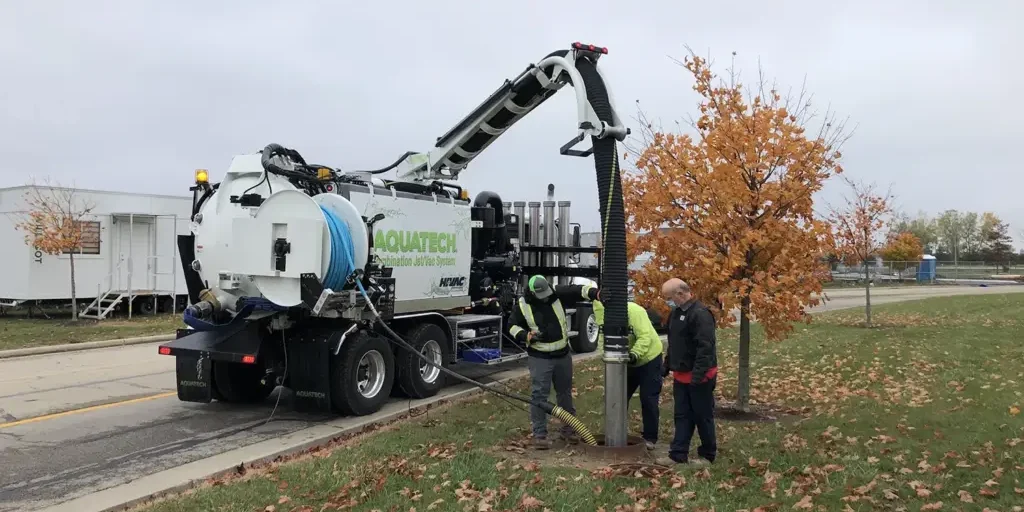
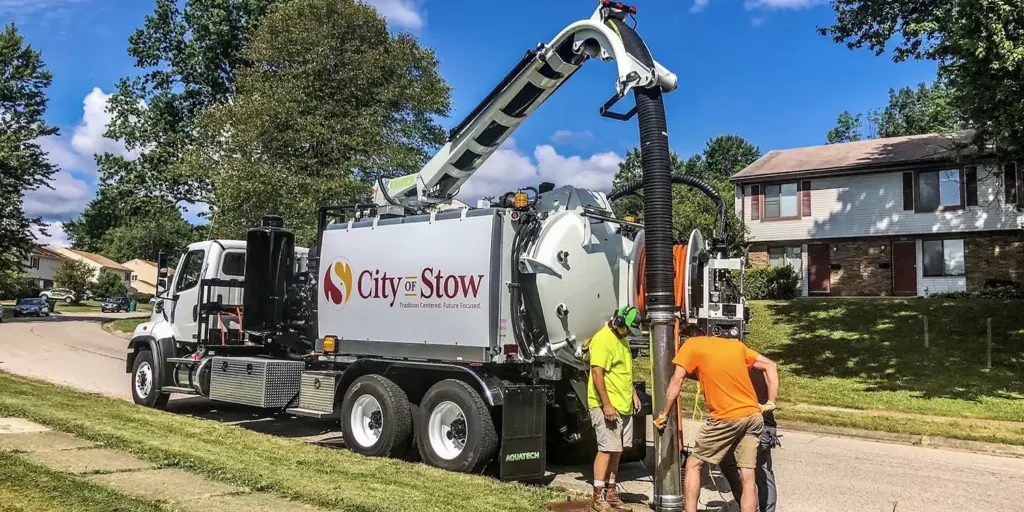
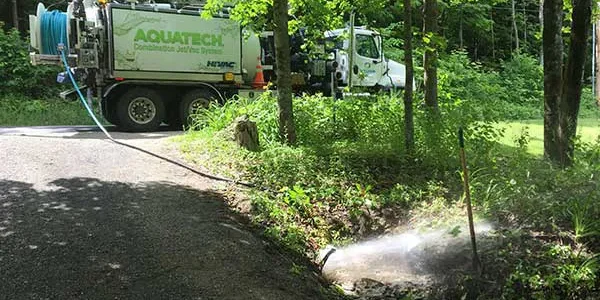
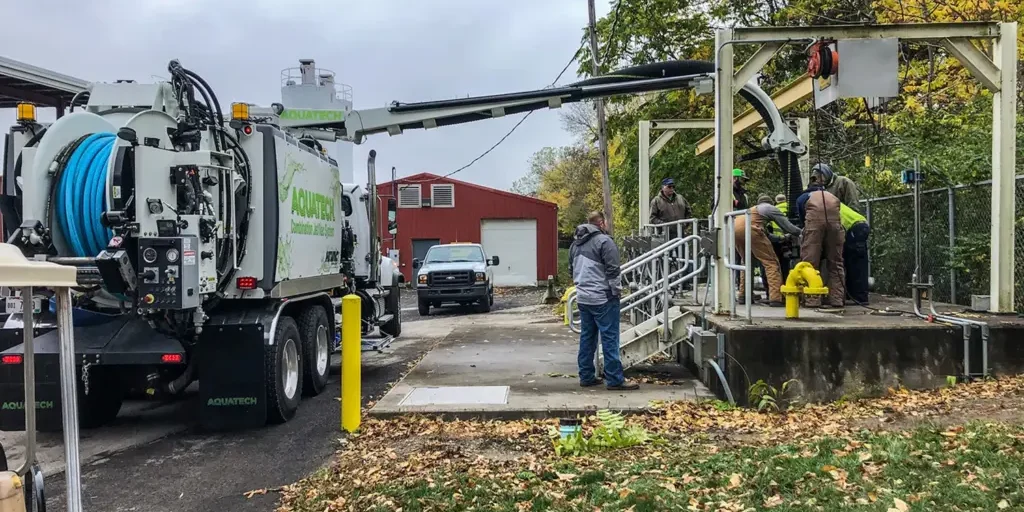
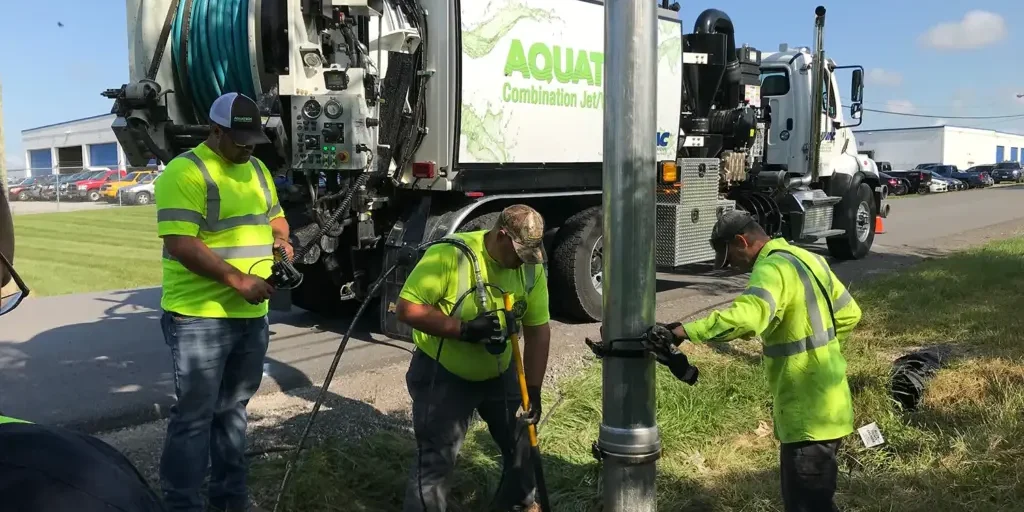
Hydro jetting is the preferred solution to all larger culvert and storm drain cleanout jobs. Pressurized water quickly breaks up and moves out sediment, mud, and debris, without hours of hand labor and the risk of pipe damage. With the power of a high-powered jetter, users can afford to tackle culvert and drain maintenance on a regular basis, versus only dealing with emergency clogs after flooding and damage have already occurred.
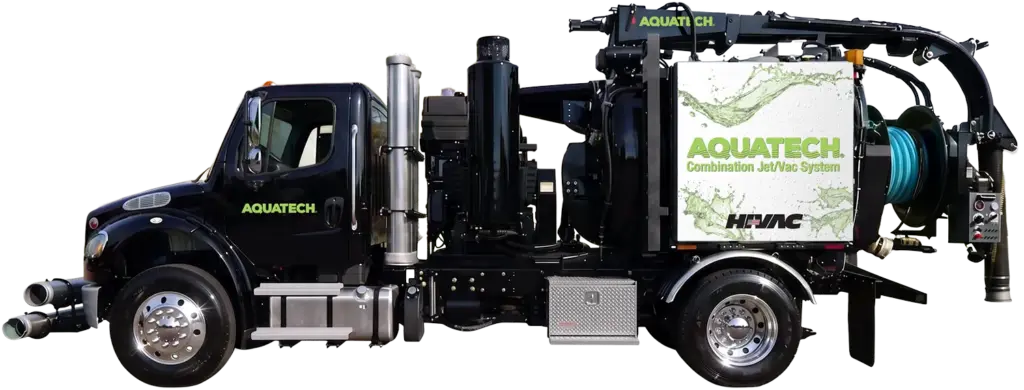
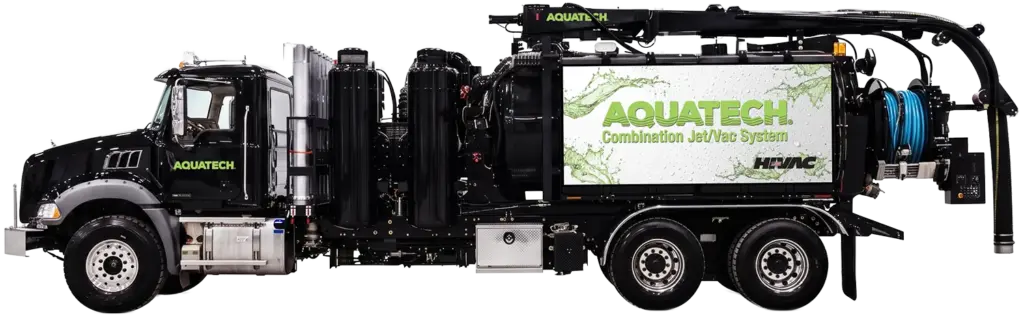
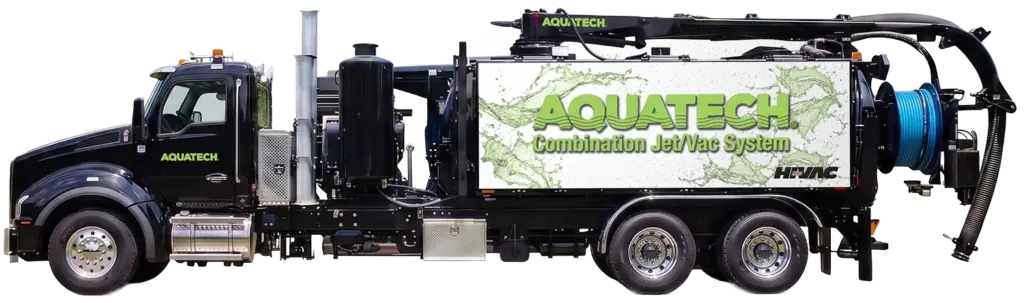
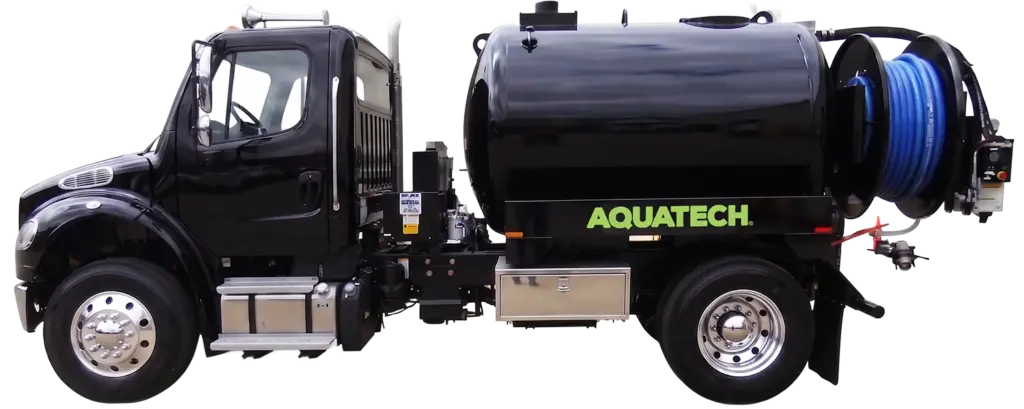
Aquatech’s B-Series combo jetters can tackle the biggest and most challenging jobs with up to 1,650 gallons of onboard fresh water, and high-pressure pumps that provide up to 5,197 PSI and 80 gallons per minute of cleaning power, scouring the widest and longest pipes.
Aquatech’s debris capacity of up to 15 cubic yards also removes dislodged materials from the pipe, preventing any downstream sedimentation. This prevents moving large deposits or clogs from one part of the network to another, and is often a requirement in ecologically-sensitive areas.
The Results
- Fast sediment & debris removal: clear obstructions and re-establish proper drainage patterns, without expensive and time-consuming manual labor
- Long run time: fresh water & debris for extended run time in the biggest and most heavily clogged pipes
- No risk to pipe integrity: high-pressure water will not damage pipes (which could make a bad situation even worse)
Note
Jetting equipment must always be operated by a properly trained and competent worker, following all safe work practices and documented procedures for this type of equipment.